
A fideicomiso in Mexico is a bank trust that lets foreigners legally own residential property in the “restricted zone,” the land within 50 km of the coast and 100 km of the international borders. A Mexican bank holds the title on your behalf, and you keep every practical right of ownership: you can live in the property, rent it, sell it, or leave it to your heirs.
If you are an American or Canadian looking at a condo in Puerto Vallarta, a villa in Riviera Nayarit, or a home anywhere along the Mexican coast, the fideicomiso is the legal structure you will use. This guide explains how it works, what it costs in 2026, and how to finance and close your purchase safely.
What Is a Fideicomiso?
A fideicomiso is a real estate trust created under Mexico’s Foreign Investment Law. Article 27 of the Mexican Constitution does not allow foreigners to hold direct title to land in the restricted zone, so the law created a trust structure that gives foreign buyers the full use and benefit of the property while a Mexican bank holds legal title.
Every fideicomiso has three parties:
- Settlor (fideicomitente): the seller, who transfers the property into the trust.
- Trustee (fiduciario): a Mexican bank authorized to manage real estate trusts. The bank follows your instructions and cannot use, sell, or borrow against the property on its own.
- Beneficiary (fideicomisario): you, the buyer, with the right to use, enjoy, rent, improve, sell, and pass on the property.
The property held in the trust is not an asset of the bank. If the trustee bank merges or closes, your trust is transferred to another authorized bank and your rights stay the same.
Who Needs a Fideicomiso?
You need a fideicomiso if you are a foreign individual buying residential property inside the restricted zone. That includes almost every popular beach destination: Puerto Vallarta, Riviera Nayarit, Los Cabos, Cancún, Playa del Carmen, Tulum, Mazatlán, and the Baja California coast.
You do not need one in inland cities outside the restricted zone, such as Guadalajara, Lake Chapala, San Miguel de Allende, Mérida, or Mexico City. There, foreigners can hold direct title (escritura) after signing an agreement with the Ministry of Foreign Affairs (SRE) known as the Calvo Clause. For commercial or investment property, a Mexican corporation can be another option, and your notary or attorney can tell you which structure fits your plans.
How Long Does a Fideicomiso Last?
A fideicomiso has an initial term of 50 years and can be renewed for additional 50-year periods. When you set it up, you can name substitute beneficiaries, usually a spouse or children. This allows the property to pass to them under the terms of the trust, which in many cases helps your heirs avoid a lengthy probate process in Mexico for that property.
How Much Does a Fideicomiso Cost in 2026?
Costs vary by bank and property value, but most foreign buyers in the Puerto Vallarta area can expect:
- Setup: from about US$3,000, including the SRE permit and the bank’s trust establishment fee. The first annual fee is often included.
- Annual trust fee: about US$500 to US$800 per year, paid to the trustee bank.
These amounts are separate from your other closing costs, such as the acquisition tax, notary fees, and registry fees, which together usually add 5% to 8% to the purchase price. In some resale purchases, the seller’s existing trust can be assigned to you instead of creating a new one. Your notary will tell you which option costs less for your transaction.
Can You Get a Mortgage on a Property Held in a Fideicomiso?
Yes. Lenders that work with foreign buyers regularly finance homes held in a fideicomiso. The lender’s lien is registered against the trust rights, much like a mortgage in the United States or Canada. Financing can let you keep more of your savings liquid, buy sooner, or choose a better property than you could with cash alone.
MEXLend has helped foreign buyers finance property in Mexico for more than 20 years. You can read our guide to mortgages for foreigners in Mexico or explore our mortgage options.
How the Fideicomiso Process Works, Step by Step
- Sign a promise to purchase. You and the seller agree on price, deposit, and closing date.
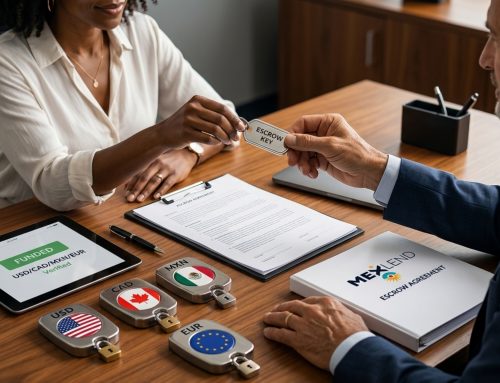
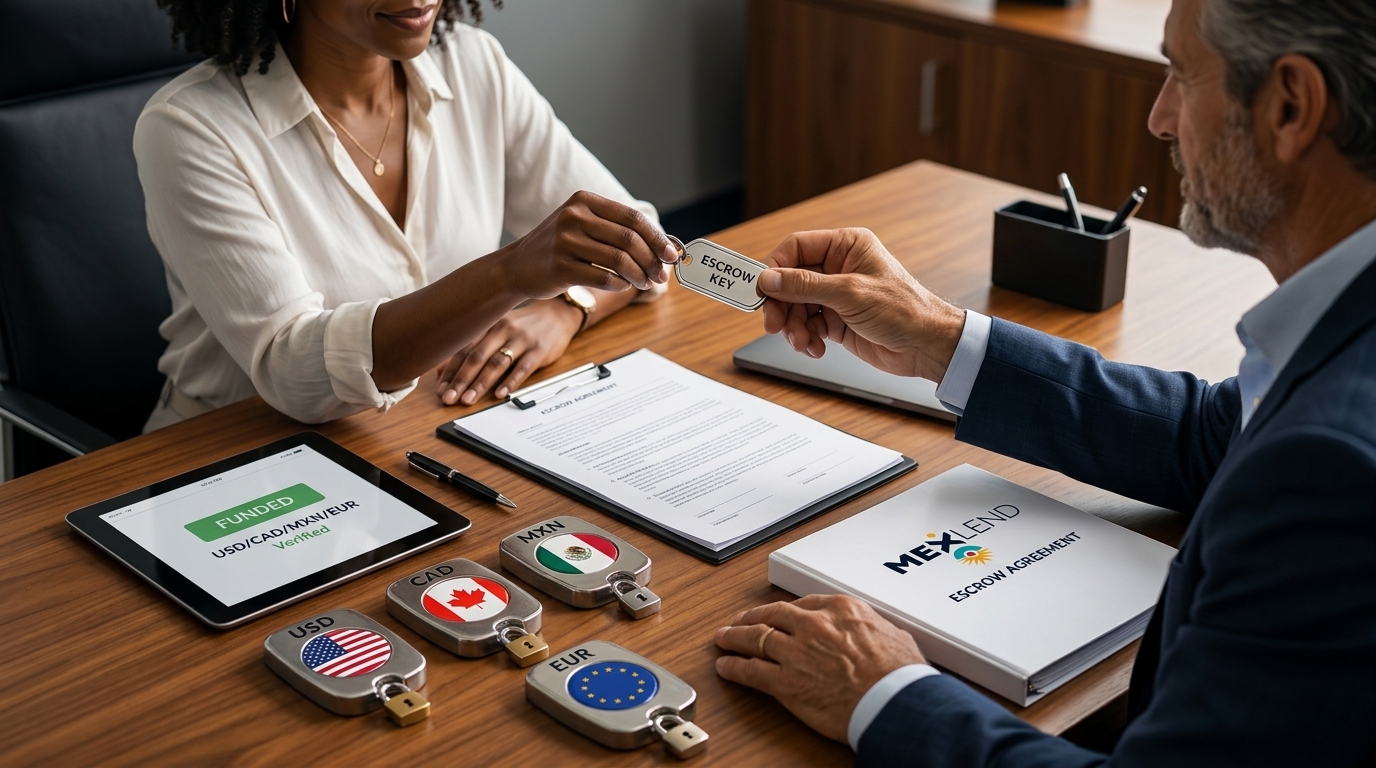
- Place your deposit in escrow. An independent escrow service holds your money until every condition is met. Learn more about MEXLend escrow services.
- Choose the trustee bank. Fees and service vary, so compare at least two banks.
- Request the SRE permit. The notary handles the permit application with the Ministry of Foreign Affairs.
- Complete due diligence. The notary obtains a no-lien certificate, verifies that property taxes and water bills are paid, and confirms the property is not ejido land.
- Sign before the notary. The deed creating the trust is signed and the escrow agent releases the funds to the seller.
- Register the deed. The notary records the trust in the Public Registry of Property.
From signed offer to closing, most purchases with a fideicomiso take about 30 to 60 days. Financing can add time, so start the mortgage process early.
Is a Fideicomiso Safe?
Yes. The fideicomiso has been used by foreign buyers for decades, it is backed by federal law, and your rights are registered in the Public Registry. The real risks in a Mexican real estate purchase are usually elsewhere: paying a deposit directly to a seller or developer, buying property with unclear title, or buying ejido land that has not been converted to private ownership. Working with a notary, an experienced broker, and an independent escrow service protects you against these problems.
Fideicomiso in Mexico: Frequently Asked Questions
Can foreigners own beachfront property in Mexico?
Yes. Foreigners can own beachfront and coastal property in Mexico through a fideicomiso, a bank trust where a Mexican bank holds title and the foreign buyer keeps all the rights to use, rent, sell, and inherit the property.
Is a fideicomiso the same as leasing the property?
No. A fideicomiso is not a lease. As the beneficiary, you control the property and its value. You can sell it at market price, rent it, renovate it, and name heirs, and the bank must follow your instructions.
What happens to a fideicomiso when the owner dies?
The rights pass to the substitute beneficiaries named in the trust, usually a spouse or children. This often helps heirs avoid a lengthy probate process in Mexico for that property.
Do I need a fideicomiso in Guadalajara or San Miguel de Allende?
No. These cities are outside the restricted zone, so foreigners can hold direct title after signing the Calvo Clause agreement with the Ministry of Foreign Affairs (SRE).
How much does a fideicomiso cost per year?
The annual trust fee is usually about US$500 to US$800, depending on the bank. Setup typically starts around US$3,000, including the SRE permit.
Buy Your Mexican Coastal Home With Confidence
A fideicomiso gives you secure, long-term ownership of property near the beach. The right financing and an independent escrow service make the rest of the process just as safe. MEXLend helps foreign buyers in Puerto Vallarta, Riviera Nayarit, and across Mexico finance their purchase and protect their funds until closing.
This article is general information and not legal or tax advice. Always confirm the details of your purchase with a Mexican notary.