
Closing costs in Mexico typically run 5% to 8% of the purchase price, and the buyer pays them on top of the price. The largest items are the acquisition tax (about 2% in Puerto Vallarta), notary fees, registry and appraisal costs, and, for coastal property, the setup of the fideicomiso (bank trust).
Many American and Canadian buyers are surprised by these costs because they work differently than at home. This guide breaks down every fee, shows a sample budget for a Puerto Vallarta condo, and explains how to avoid surprises on closing day.
What Are Closing Costs in Mexico?
Closing costs are the taxes and fees required to legally transfer a property to your name and record it in the Public Registry. In Mexico, every real estate sale must be formalized before a notario público, a government-appointed attorney who verifies the title, calculates the taxes, collects them, and registers the deed. The notary gives you the final, binding amount before you sign.
Closing Cost Breakdown for Foreign Buyers
| Item | Typical cost | What it covers |
|---|---|---|
| Acquisition tax (ISAI) | About 2% in Puerto Vallarta; 2% to 4% elsewhere | Municipal transfer tax on the purchase value |
| Notary fees | 1% to 1.5% | Title review, deed preparation, tax calculation, and registration |
| Public Registry, certificates, and appraisal | 0.5% to 1% | Recording the deed, no-lien and tax certificates, official appraisal (avalúo) |
| Fideicomiso setup (coastal property) | From about US$3,000 | SRE permit and bank trust fee, often including the first annual fee |
| Escrow, legal, and bank fees | Varies | Independent escrow, optional buyer’s attorney, wire and document fees |
Rates vary by municipality and state. Riviera Nayarit (Bahía de Banderas), Los Cabos, and Quintana Roo each set their own acquisition tax, so always ask the notary for a written estimate.
Sample Budget: A US$500,000 Condo in Puerto Vallarta
- Acquisition tax (2%): US$10,000
- Notary fees (about 1.25%): US$6,250
- Registry, certificates, and appraisal (about 0.75%): US$3,750
- Fideicomiso setup: about US$3,000
- Escrow, legal, and miscellaneous: about US$2,250
- Estimated total: about US$25,250, or roughly 5% of the price
Because the fideicomiso and some fees are fixed, the percentage is higher on less expensive homes. On a US$200,000 property, closing costs can land closer to 7% or 8%.
Who Pays What at Closing?
In most Mexican transactions, the buyer pays the acquisition tax, notary fees, registry costs, appraisal, and the fideicomiso. The seller usually pays the real estate commission and the capital gains tax (ISR), which the notary withholds from the sale proceeds. Everything is negotiable, so confirm who pays each item in your promise to purchase.
Costs After Closing
A few costs continue after you own the property. They are not closing costs, but they belong in your budget:
- Property tax (predial): usually very low compared with the United States or Canada, often a few hundred dollars per year.
- Annual fideicomiso fee: about US$500 to US$800 per year.
- HOA fees: common for condos and gated communities.
- Utilities and insurance: electricity, water, and homeowners insurance.
Do Closing Costs Change if You Use a Mortgage?
Yes, slightly. If you finance your purchase, expect additional costs such as the lender’s appraisal, credit and processing fees, and the registration of the mortgage lien. These are part of the loan process and your broker will disclose them up front. Many buyers still choose financing because it keeps more of their savings available. Read our guide to mortgages for foreigners in Mexico to compare your options.
How to Avoid Surprises on Closing Day
- Ask the notary for a written estimate early. Do it as soon as you sign the promise to purchase, not the week of closing.
- Declare the real purchase price. Recording a lower price to save on acquisition tax can raise your capital gains tax when you sell, and it creates legal risk.
- Plan for exchange rates. Taxes are paid in pesos. Budget a margin if your funds are in US or Canadian dollars.
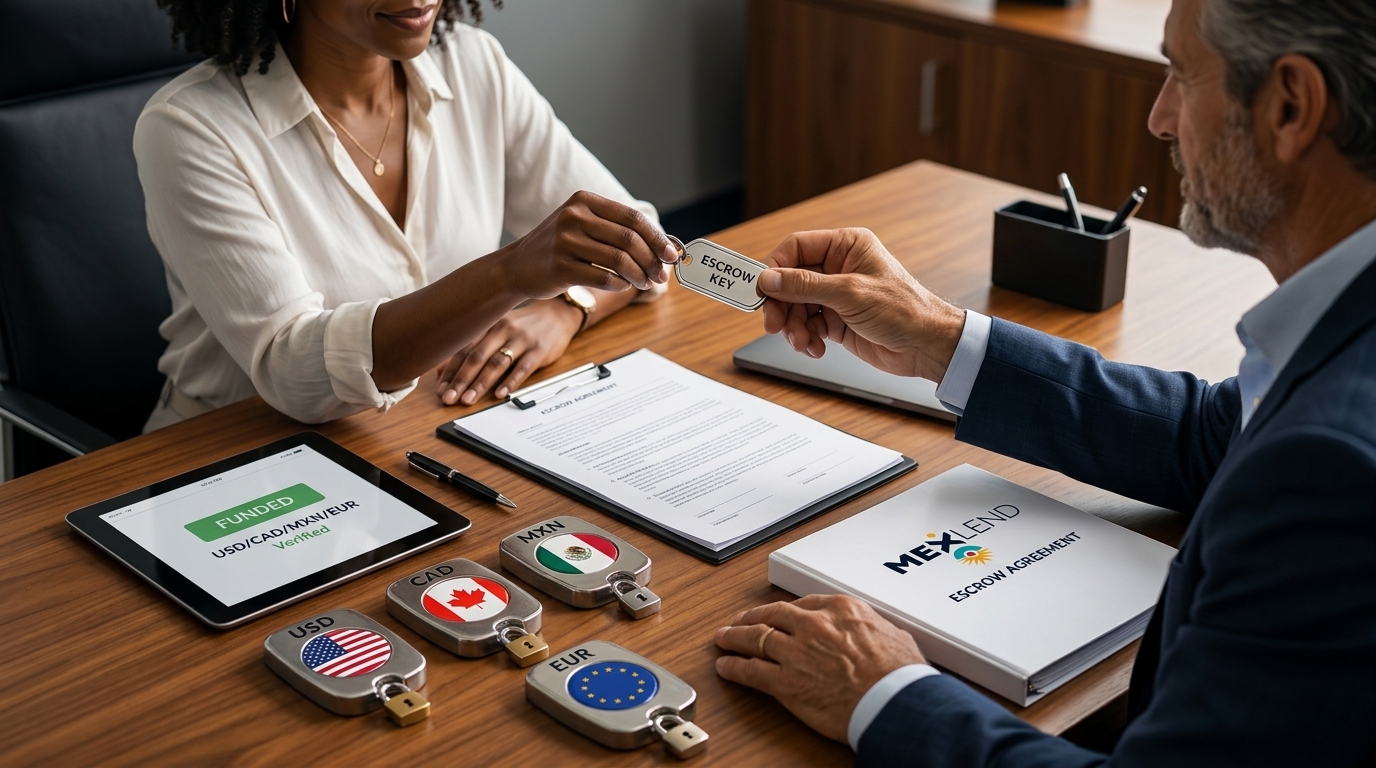
- Use an independent escrow service. Your deposit and closing funds stay protected until every condition is met, and the escrow agent coordinates payments with the notary. See how escrow works in Mexico.
Closing Costs in Mexico: Frequently Asked Questions
How much are closing costs in Mexico?
Closing costs in Mexico usually run 5% to 8% of the purchase price. In Puerto Vallarta, a US$500,000 condo typically costs about US$25,000 to close, including the acquisition tax, notary, registry, and fideicomiso setup.
Who pays closing costs in Mexico, the buyer or the seller?
The buyer usually pays the acquisition tax, notary fees, registry costs, appraisal, and fideicomiso. The seller usually pays the real estate commission and capital gains tax, which the notary withholds at closing.
Are closing costs in Mexico higher than in the United States?
They are often similar or slightly higher at purchase, typically 5% to 8% in Mexico. However, annual property taxes in Mexico are much lower, which reduces the long-term cost of ownership.
Can closing costs be included in a mortgage in Mexico?
In most cases, closing costs are paid in cash at closing and are not added to the loan. Ask your mortgage broker to confirm the details for your lender.
Does escrow add to closing costs in Mexico?
Escrow adds a modest fee, but it protects your deposit and closing funds from fraud and failed transactions, which is far more costly than the fee itself.
Plan Your Closing With MEXLend
Knowing your closing costs before you sign is the easiest way to protect your budget. MEXLend has helped foreign buyers finance and close property in Mexico for more than 20 years, with independent escrow in USD, CAD, MXN, and EUR. Talk to our team about your purchase, or get pre-qualified for a mortgage.
This article is general information and not legal or tax advice. Your notary will provide the final closing cost calculation for your transaction.